
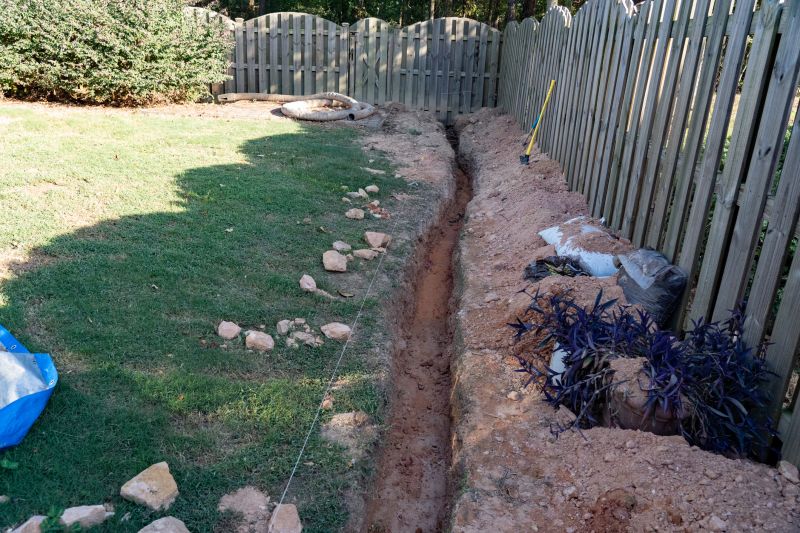
Trenching Service in Atlanta, GA
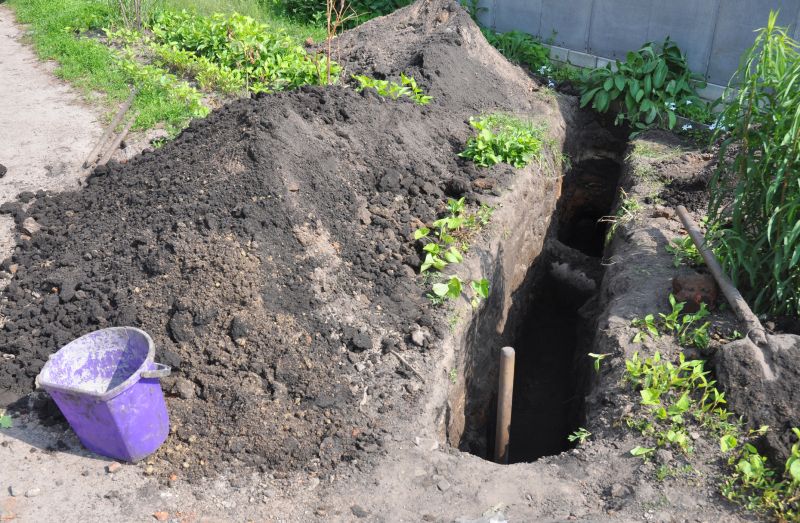
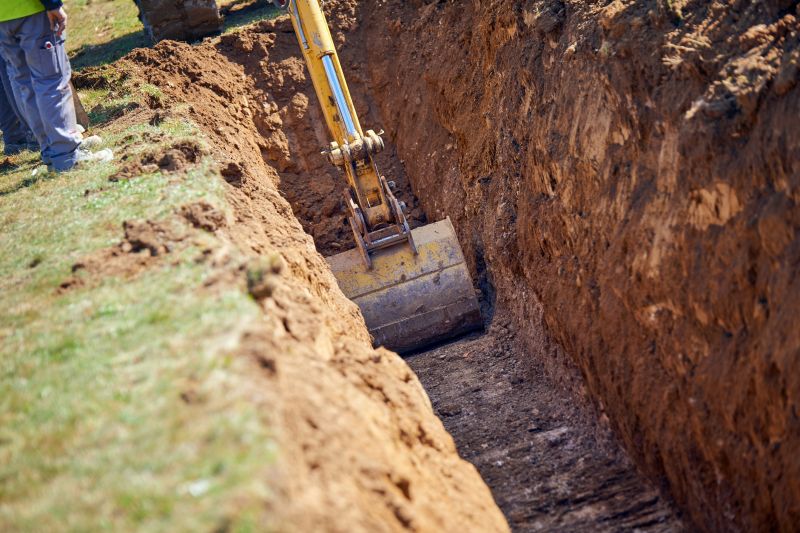
Trenching services involve digging narrow, deep channels in the ground to facilitate the installation or repair of underground utilities and infrastructure. These projects often include laying pipes for water, sewage, or irrigation systems, installing electrical wiring, or setting up drainage solutions. Homeowners typically request trenching for new construction, landscaping projects, or upgrades to existing utility lines, ensuring that underground systems are properly positioned and protected.
Before requesting trenching services, property owners should consider the location and scope of their project, including the depth and length of the trenches needed. It’s also important to evaluate any potential obstacles, such as existing underground utilities, trees, or property features, that could impact the work. Clear communication about the purpose of the trenches and any specific requirements will help ensure the project proceeds smoothly and safely.
Many property owners in Atlanta, GA look into Trenching Service for repairs, replacements, upgrades, and appearance-related improvements.
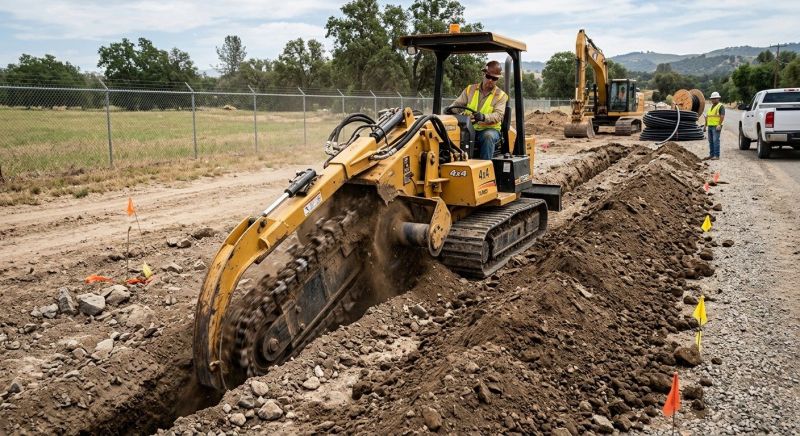
Foundation And Utility Installations
Trenching services are essential for installing underground utilities and foundation footings in atlanta properties.
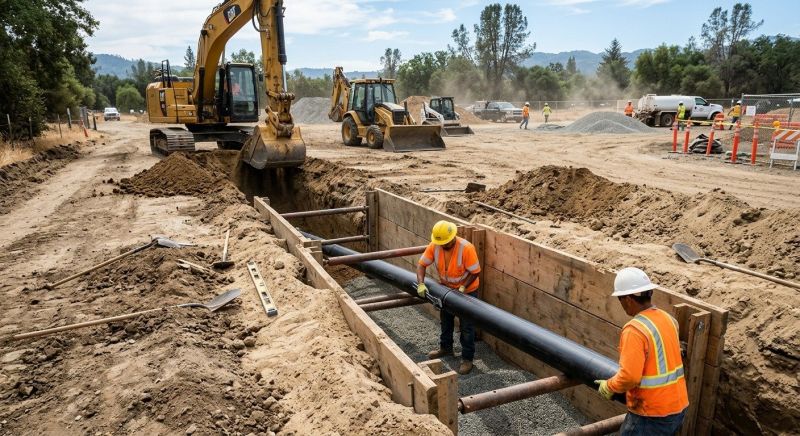
Landscaping And Drainage Solutions
Proper trenches help improve drainage and support landscaping projects across residential and commercial sites.
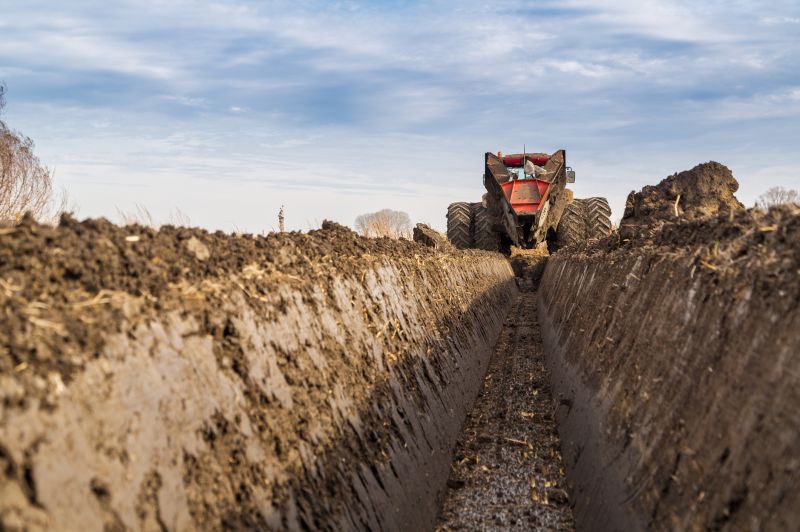
Property Development And Expansion
Trenching is a key step in preparing land for new structures, fencing, or irrigation systems in atlanta neighborhoods.
Trenching Service in Atlanta, GA

Trenching services involve digging narrow, deep channels in the ground to facilitate the installation or repair of underground utilities and infrastructure. These projects often include laying pipes for water, sewage, or irrigation systems, installing electrical wiring, or setting up drainage solutions. Homeowners typically request trenching for new construction, landscaping projects, or upgrades to existing utility lines, ensuring that underground systems are properly positioned and protected.
Before requesting trenching services, property owners should consider the location and scope of their project, including the depth and length of the trenches needed. It’s also important to evaluate any potential obstacles, such as existing underground utilities, trees, or property features, that could impact the work. Clear communication about the purpose of the trenches and any specific requirements will help ensure the project proceeds smoothly and safely.
Many property owners in Atlanta, GA look into Trenching Service for repairs, replacements, upgrades, and appearance-related improvements.
Common Trenching Service Jobs
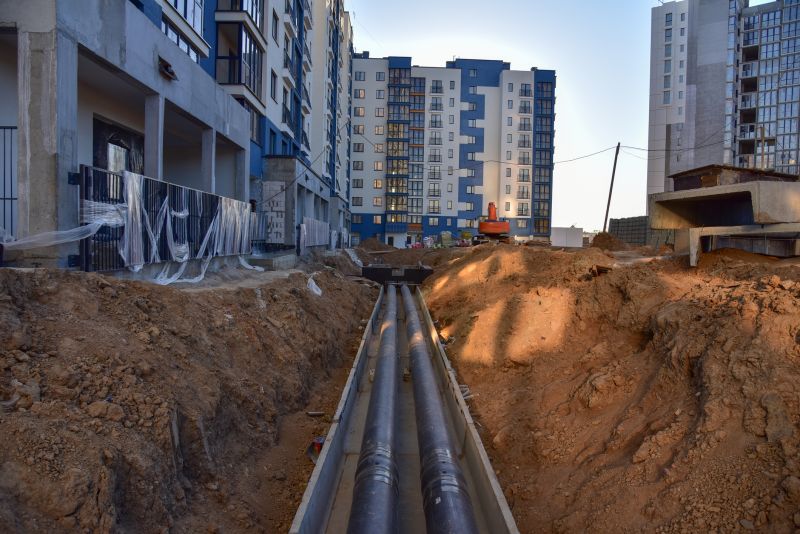
Utility Line Installation - trenches are used to lay electrical, water, or gas lines safely underground.
Drainage System Setup - creates proper slopes and channels to prevent water pooling around the property.
Foundation Preparation - trenches are excavated to prepare for foundation footings and support structures.
Irrigation System Installation - trenches are dug to install sprinkler lines and underground watering systems.
Fence and Boundary Marking - trenches are used to install posts or define property lines securely.
Environmental Remediation - trenches can be part of excavation projects to remove contaminated soil or debris.
Trenching Service Questions
What is trenching service used for? Trenching is commonly used for installing utilities, drainage systems, or irrigation lines across properties.
What types of projects require trenching? Projects like laying cables, pipes, or septic lines often need trenching to create a pathway underground.
How deep are typical trenches? Trenches usually range from 12 to 36 inches deep, depending on the project's requirements and local codes.
Is trenching suitable for all soil types? Trenching can be performed in most soil conditions, but some types may require special equipment or techniques.
Request Trenching Service in Atlanta, GA
Use the quote form on this page to share the basics of your project and request more information for the type of work you need.